


Hidden Reverse Marketing (HRM) is redefining how social media marketing works. In today’s crowded social media landscape, businesses are constantly pushing products and services to users. But what if that pressure disappeared? What if the roles were reversed? What if users openly shared what they want, and a business (or businesses) responded? That’s the power of Hidden Reverse Marketing, introduced by the Jeweltic app. HRM flips traditional marketing on its head and takes reverse marketing to a whole new level. Jeweltic turns this idea into reality. This article explores reverse marketing and Hidden Reverse Marketing within the broader debate of modern vs traditional online marketing, showing how customer-driven platforms like Jeweltic are reshaping digital demand.
What is Reverse Marketing?
Reverse marketing is a “pull” strategy in which brands attract customers naturally instead of chasing them with intrusive advertising. Rather than relying on aggressive promotions, it focuses on building trust, authority, and long-term value through education, storytelling, and curiosity-driven campaigns. Here, customers initiate contact by searching for solutions, following content, or engaging with communities. Blogs, tutorials, and videos position companies as reliable sources, encouraging organic interest. Some brands even discourage impulsive buying or introduce scarcity and exclusivity to increase perceived value. User-generated content and reviews further strengthen credibility by allowing real customers to speak on the brand’s behalf. Over time, this content-driven method creates deeper relationships, increases brand loyalty, and turns marketing into an experience rather than a sales pitch.

Well-known examples show how reverse marketing can shape perception and loyalty. Patagonia’s “Don’t Buy This Jacket” campaign urged customers to consider environmental impact before purchasing, reinforcing sustainability values while strengthening trust and brand reputation. Teaser campaigns work similarly by releasing limited or mysterious information that motivates audiences to search for details and share speculation. Educational content, such as skincare tutorials, financial guides, or industry insights, positions companies as experts rather than sellers. The benefits are significant: higher customer loyalty, stronger emotional connections, and lower advertising costs due to organic traffic and word-of-mouth growth. By demonstrating values like sustainability, transparency, or community support, reverse marketing enhances brand image while encouraging thoughtful, voluntary engagement that lasts longer than traditional promotional campaigns.
What is Hidden Reverse Marketing (HRM)?
Hidden Reverse Marketing (HRM) is a marketing model where consumers naturally reveal demand by sharing needs, questions, inspirations, or frustrations in a social environment. Instead of directly contacting brands, users express intent publicly through posts, images, or discussions that are visible to relevant businesses through smart discovery tools. The “hidden” element lies in the absence of explicit commercial intent. HRM transforms everyday conversations into marketing opportunities while preserving trust, transparency, and user comfort. Brands engage only after intent appears, making interactions feel helpful rather than promotional or intrusive. This creates authentic demand signals rooted in real life. This shift clearly illustrates the difference between modern vs traditional online marketing, where listening replaces interruption.

How HRM Works on Jeweltic?
Introduced by the Jeweltic app, Hidden Reverse Marketing elevates reverse marketing into a structured, intent-driven ecosystem. Jeweltic allows businesses and brands to detect demand the moment it appears. Unlike traditional ads that push messages outward, HRM represents modern vs traditional online marketing in action, where user intent leads, and brands respond. A user may post a Jewel or Tic asking where to find a rose-gold emerald necklace, a vintage watch, or a vegan perfume alternative. Brands monitoring keywords, materials, or styles discover the post and respond with products, customization offers, or advice. The customer speaks first, brands follow thoughtfully. This alignment turns curiosity into conversions, conversations into commerce, and browsing into meaningful, trust-based engagement at scale.

Examples of Hidden Reverse Marketing in Jewelry
Hidden Reverse Marketing thrives in jewelry because emotional intent often precedes purchasing decisions. A bride-to-be may upload a photo of a vintage-inspired engagement ring she admired but cannot locate. A local jeweler discovers the post and offers a custom-made version using recycled gold and lab-grown diamonds. Another user posts about wanting costume jewelry for a themed event or as a gift, prompting multiple designers to suggest affordable, tailored designs. Someone searching for an heirloom-style necklace receives offers from artisans specializing in vintage restoration. One post sparks multiple conversations, saves search time, and provides visibility into organic demand. Jewelry brands no longer guess trends. They respond to clearly expressed desires already circulating within trusted social interactions.
Examples of Hidden Reverse Marketing in Cosmetics
In cosmetics, HRM captures nuanced preferences that traditional ads miss. A user may ask for a vegan dupe for Dior Lip Glow, a perfume similar to a discontinued fragrance, or skincare suitable for sensitive skin with specific climate needs. Indie beauty brands spot these requests and respond with tailored solutions, ingredient transparency, or trial-size offers. Another user might request a bespoke foundation shade or personalized skincare routine, inviting brands specializing in customization to engage. As comments grow, community validation amplifies credibility. One question becomes social proof, market testing, and brand discovery simultaneously. Hidden Reverse Marketing turns personal beauty concerns into open conversations that guide brands toward precise, user-led product positioning.
How Jeweltic Powers HRM Mechanism
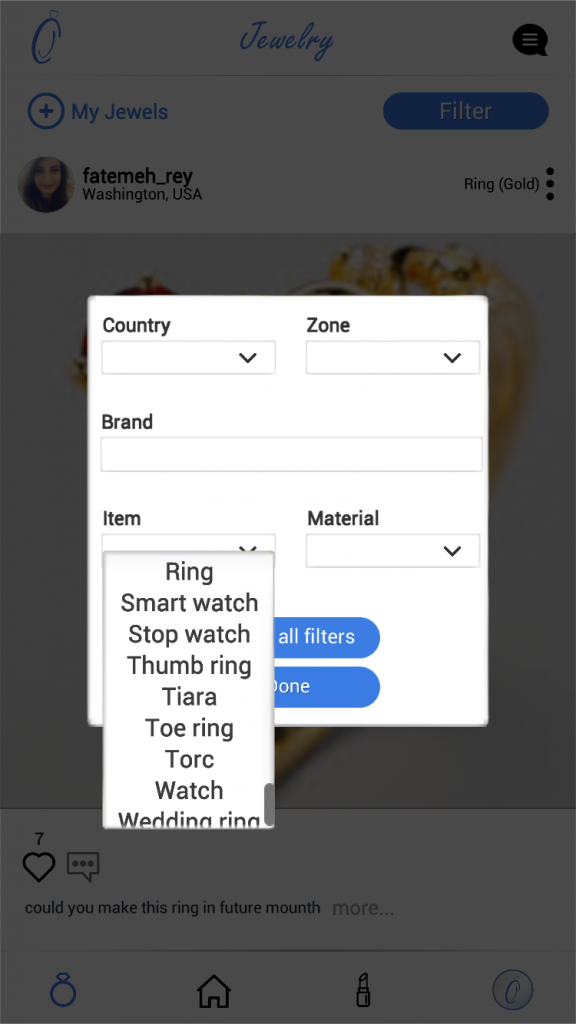
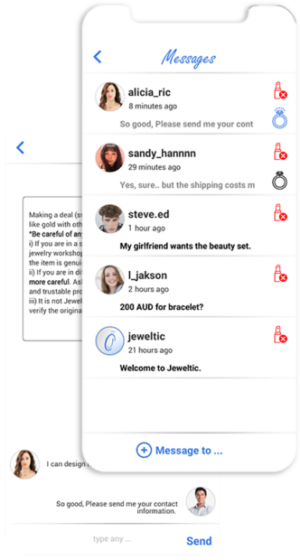
Jeweltic is purpose-built to make Hidden Reverse Marketing seamless, discoverable, and scalable. Its advanced filter tool allows businesses to track posts by keywords, materials, gemstones, product types, colors, budgets, and geographic location. The tagging system encourages users to add brand names and preferences, enhancing intent visibility. Once engagement begins, built-in messaging enables direct, contextual communication without disrupting user experience. Promoted responses allow brands to amplify helpful replies rather than intrusive ads. Together, these features transform passive social browsing into actionable demand intelligence, highlighting modern vs traditional online marketing by replacing guesswork, cold targeting, and ad fatigue with real-time intent discovery. Jeweltic doesn’t push products, but it reveals needs, empowering brands to respond intelligently, creatively, and respectfully in time.
Why HRM Technique Is a Game-Changer?
The impact of Hidden Reverse Marketing becomes clearest when comparing modern vs traditional online marketing approaches. HRM reshapes how demand is discovered, measured, and fulfilled. Instead of pushing campaigns based on assumptions, brands observe real-time intent expressed voluntarily by users. This shifts marketing from persuasion to participation. HRM reduces friction, shortens buying cycles, and eliminates guesswork by aligning products with explicit needs already voiced. It also democratizes visibility, allowing small brands, artisans, and indie creators to compete through relevance rather than ad budgets. Because engagement begins with user curiosity, responses feel authentic and timely. Jeweltic operationalizes this shift, turning social intent into strategic insight. HRM is not optimization, but it is a fundamental redefinition of how modern marketing succeeds.
Customer-Driven Demand
Customer-driven demand is the foundation of Hidden Reverse Marketing. Instead of predicting trends through surveys or analytics, businesses observe what users actively ask for in real time. Requests for custom jewelry, vintage-inspired designs, personalized perfumes, or allergen-free cosmetics provide direct insight into unmet needs. Brands can identify emerging styles, materials, and preferences before they reach mass markets. This immediacy enables faster innovation and smarter inventory decisions. Jeweltic transforms customers into voluntary market researchers whose posts signal genuine intent. Demand is no longer inferred, but it is expressed. By listening first and responding second, brands align production and messaging with reality, not assumptions or outdated consumer profiles.
Higher Conversion Rates
Hidden Reverse Marketing significantly improves conversion rates because interactions begin with demonstrated interest. When a user asks for a specific necklace, bespoke lipstick shade, or personalized skincare solution, the purchase intent already exists. Brands responding are not convincing; in fact, they are completing a search. This reduces resistance, shortens decision cycles, and increases trust. Users perceive responses as helpful solutions rather than advertisements. Multiple brands can compete transparently, allowing quality, customization, and value to drive outcomes. On Jeweltic, conversions emerge naturally from conversations, not pressure. By meeting users exactly where intent forms, HRM transforms engagement into sales with greater efficiency, relevance, and long-term satisfaction for both customers and businesses.
Market Research at No Cost
Jeweltic enables continuous, zero-cost market research through Hidden Reverse Marketing. Brands can monitor mentions of their products, competitors, materials, or styles using advanced filters. Patterns emerge around unmet needs, recurring complaints, pricing expectations, and regional demand differences. For example, repeated requests for hypoallergenic jewelry or climate-specific skincare reveal opportunities for differentiation. Feedback appears organically, without surveys or incentives, making insights more honest and timely. Businesses can validate ideas before production and adapt offerings rapidly. HRM turns the platform into a living focus group powered by real users. Every post becomes data, and every conversation becomes insight, without disrupting the customer experience or inflating marketing budgets.
Fosters Brand Loyalty
Hidden Reverse Marketing fosters loyalty by making users feel heard, understood, and respected. When brands respond personally to a user’s request, whether for a custom ring, vintage watch, or tailored beauty solution, the interaction feels human, not transactional. Users associate the brand with problem-solving rather than selling. This emotional connection encourages repeat engagement, referrals, and long-term trust. Public responses also demonstrate transparency and expertise to the wider community. Over time, brands become recognized as attentive listeners rather than loud advertisers. Jeweltic enables loyalty to form through dialogue, not discounts. By consistently showing up where needs are expressed, brands earn advocacy organically and sustainably.
The Psychology Behind HRM
Hidden Reverse Marketing works because it aligns with how people naturally make decisions. Traditional advertising interrupts attention, triggering skepticism and resistance. HRM invites participation instead. When users initiate interactions, they maintain a sense of control and autonomy, which increases trust and openness. Responses are perceived as assistance, not persuasion. Social validation further strengthens confidence as others join conversations. This psychological shift reduces cognitive friction and enhances satisfaction. This psychological difference explains why modern vs traditional online marketing produces vastly higher engagement, stronger emotional resonance, and more positive brand associations. Jeweltic leverages this dynamic by embedding marketing within social discovery, not disruption. HRM doesn’t manipulate behavior; in contrast, it respects it, making marketing feel like collaboration rather than coercion.

Last Words
Hidden Reverse Marketing represents a fundamental shift in how modern marketing operates. It replaces interruption with observation, persuasion with responsiveness, and assumptions with real intent. Jeweltic has introduced this concept by transforming everyday social posts into powerful demand signals for jewelry and beauty brands. Users express needs freely, brands listen intelligently, and value is exchanged transparently. From custom jewelry and vintage pieces to bespoke beauty and personalized care, HRM enables authentic discovery and meaningful engagement. This is not a feature, but it is a new marketing paradigm. Brands that learn to listen, adapt, and respond within this ecosystem will build trust, loyalty, and relevance in a future defined by customer-led conversations.
Frequently Asked Questions (FAQs)
What is reverse marketing?
Reverse marketing is a strategy where customers initiate engagement by searching, asking, or showing interest first, instead of brands pushing ads. It focuses on trust, education, and value-driven interactions rather than interruption-based advertising.
How is HRM different from reverse marketing?
Hidden Reverse Marketing goes one step further by capturing customer intent from natural social posts, questions, or inspirations that are not explicitly directed at businesses. Brands discover demand without users actively contacting them.
Why is Hidden Reverse Marketing called “hidden”?
It is called “hidden” because users express needs organically in a social setting, not as direct purchase requests. The demand is visible to brands through platform tools, but feels natural and non-commercial to users.
How does Jeweltic enable HRM?
Jeweltic allows users to post jewelry and beauty-related questions or inspirations while businesses monitor keywords, tags, and filters to discover intent and respond with products, customization, or advice.
Is Hidden Reverse Marketing effective for small businesses?
Yes. HRM levels the playing field by allowing small and indie brands to compete based on relevance and responsiveness rather than large advertising budgets.
How does modern vs traditional online marketing differ in practice?
Traditional online marketing pushes ads to audiences, while modern approaches like Hidden Reverse Marketing respond to user-initiated demand, creating higher trust and conversion rates.
How does HRM improve conversion rates?
Since users already show interest by asking or posting, brand responses meet existing demand. This reduces friction, builds trust, and increases the likelihood of purchase.
Is Hidden Reverse Marketing intrusive for users?
No. Users remain in control because they initiate conversations naturally. Brand responses feel helpful rather than promotional, which improves user experience and engagement.
Can HRM be used for market research?
Absolutely! Businesses can analyze recurring requests, unmet needs, and competitor mentions in real time, gaining valuable insights without surveys or paid research tools.
Who should use Jeweltic: users or businesses?
Both. Users benefit by finding or customizing hard-to-find products faster, while businesses gain access to real-time demand signals and highly qualified leads through Hidden Reverse Marketing.